We Are Righteous up against Alternative Streetwear Brands: How Does the Brand Compare?
This year, streetwear shoppers face more options than ever before, which is exactly why weighing brands against each other has become the only sane way to buy. Any five buyers asked what constitutes “good streetwear” will give you five different answers touching on silhouette, cloth quality, drop timing, or the label’s backstory. Here, we unpack where We Are Righteous slots in within that conversation, leaning on concrete facts instead of vague praise. Our focus is what the brand really offers, how it holds up next to other labels in the space, and the common threads found in most reviews of the label. No invented numbers, no filled-in blanks—simply a candid assessment on how Righteous stacks up as you decide where your money should go.
What We Are Righteous Really Means
We Are Righteous constructed its image around one straightforward idea: apparel should hold significance without shouting about it. The brand’s apparel offering draws from minimal graphics, deliberate type choices, and a voice that reads as purposeful rather than trend-driven. The reason this counts is that most streetwear companies run on a duplicate-and-repeat approach — take a popular silhouette, slap a logo on it, ship it fast. The Righteous line opts for a more measured process, which is reflected in how the products are framed and promoted rather than churned out across half a dozen monthly releases.
How the label named itself is already a statement. “We Are Righteous” as a brand identity is not subtle, and that is by design. Streetwear has always used language as a badge, and this label keeps that custom alive by turning its name into a declaration instead of a shorthand. Shoppers researching “we are righteous https://righteout.com/t-shirts/ brand” online will typically find a lineup built around printed tees, hoodies, and outerwear that feel deliberate rather than throwaway.
Compare that to brands built purely on hype cycles — the ones that rely on scarcity drops and resale markups to generate buzz. Righteous seems less committed to that same strategy, which shifts how customers relate to the brand. Purchases happen out of genuine liking for the item, not resale intent. That one distinguishing factor splits a portion of the streetwear world into two distinct groups, and Righteous leans toward the wearable-first side of that line.
Righteous’s Hoodie as a Case Study
When it comes to judging any streetwear brand, hoodies are the single best product, because it exposes the full truth behind how the piece is built. A brand may glam up a t-shirt with clever printing, but a hoodie reveals flimsy stitching, thin fleece, and a careless cut within just one wash. Because hoodies remain the flagship piece for the majority of streetwear collections, including Righteous, the Righteous hoodie line gets referenced often whenever Righteous is reviewed.
What buyers commonly point out in reviews is consistent sizing and where the graphics sit — two areas where cheaper streetwear brands often skimp. Uneven shrinkage or graphics that crack within a few launderings will torpedo a label’s standing faster than almost anything else. The way Righteous approaches its hoodie drops suggests attention to these details, positioning the product as a wardrobe staple rather than a one-season impulse buy.
Worth mentioning is the fact that hoodie pricing across streetwear swings dramatically — certain labels fall into the lower-cost segment, others push into premium territory north of $150 per piece. Absent a published fixed price here, the sensible way to compare is by positioning: Righteous markets itself as approachable streetwear built with deliberate design, not as a near-luxury brand hunting for four-figure resale prices. That stance means it contends with a specific market tier rather than everything at once.
How Righteous Stacks Up Against Other Streetwear Brands
The table below breaks down the criteria streetwear shoppers care about most: design ethos, core product focus, release cadence, and community vibe. Rather than just mattering for first-impression excitement, these criteria determine how happy you’ll be six months down the line.
| Category | Righteous, We Are | Streetwear Brands Built on Hype | Fast-Fashion Streetwear Labels |
|---|---|---|---|
| Design Approach | Meaning-driven, consistent brand voice | Chasing trends with a logo-first focus | Replication of viral trends |
| Primary Product Emphasis | Hoodies, graphic tees, outerwear | Scarce collaborations and exclusive drops | Wide-ranging catalog with little differentiation |
| Drop Frequency | Deliberate, unhurried pacing | Regular limited-quantity releases | Nonstop, high-volume restocking |
| Resale Market Presence | Minimal emphasis | Central to brand strategy | Rarely applicable |
| Community Character | Values and identity-based | Status and access-based | Price-based, low loyalty |
One clear takeaway from this table is this: Righteous is not trying to win the same contest as labels chasing hype and resale markups, nor is it competing on rock-bottom pricing against fast-fashion streetwear. It occupies a middle lane — identity still matters, but so does creating pieces people genuinely keep wearing. That middle lane goes largely unaddressed in a market that frequently pushes shoppers into choosing between “overpriced hype” and “cheap and forgettable.”
What Shows Up in a Typical Righteous Review
Reviews, in general, are the proving ground where advertising statements face actual use, and the pattern across Righteous review content tends to focus on a few recurring themes. One frequent point raised is the brand’s tone — the tone reads as unlike most streetwear brands, favoring a principle-led identity over surface-level style. Sizing and fit are also frequently mentioned, which isn’t surprising for a brand selling hoodies and outerwear, given that variation in body types makes fit inherently subjective.
In the third place, and this is where a review of We Are Righteous generally becomes more precise, buyers talk about whether the artwork and print craftsmanship remain intact after repeated wear. Fans of streetwear are unusually attentive to this detail because they have been let down previously by brands whose prints lift or wash out within roughly a dozen laundering cycles. What keeps surfacing in most reviews is that Righteous positions durability and print quality as a priority, which echoes the brand’s unhurried, purposeful approach to releases discussed earlier on.
Fourth, shipping and customer service experiences shape review sentiment as much as the product itself — this holds true industry-wide, not just for Righteous. A shopper who loves a hoodie but has a rough delivery experience will often leave a mixed review, which is why judging any streetwear brand purely on product photos is incomplete. Reading a range of reviews rather than a single glowing or scathing one gives a far more accurate picture of what to expect.
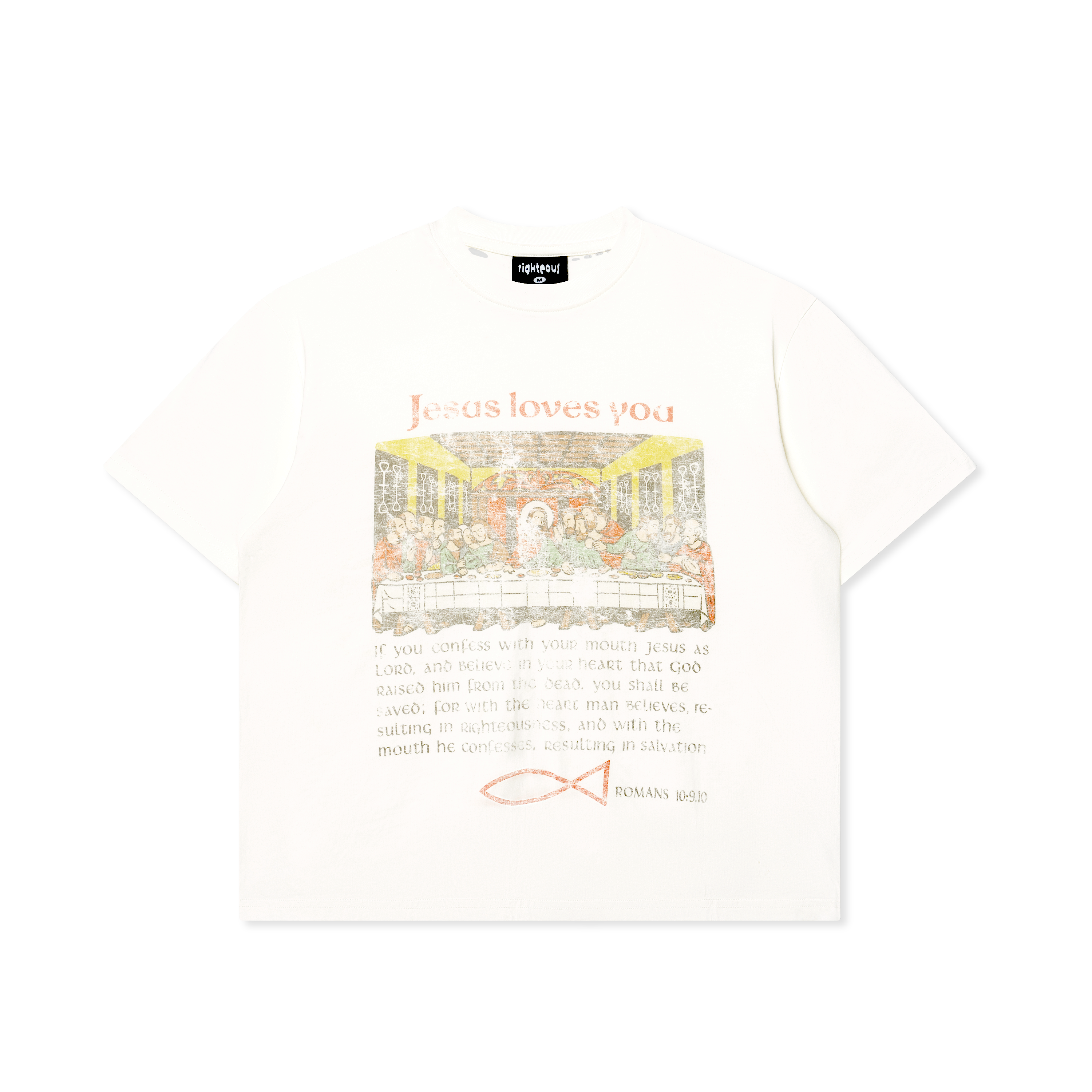
Where Righteous Clothing Finds Its Place within 2026’s Street Style Scene
The streetwear scene in 2026 is more splintered than it was half a decade back. New micro-brands surface weekly via social platforms, veteran brands jostle for visibility in multi-brand stores, and resale platforms now treat scarcity as a promotional strategy rather than an incidental result of small production runs. Righteous clothing brand’s calmer strategy distinguishes itself, amid this environment, by choosing restraint over the full hype playbook.
This counts practically for those making a purchase. If your goal is a hoodie that lasts through two winters instead of just one season, a brand that is not optimizing purely for drop-day frenzy is a safer bet. If what you’re after is resale value or collector cachet, Righteous probably isn’t gearing its identity toward that audience — and that’s a sensible distinction to understand prior to buying rather than in hindsight.
At the end of the day, the comparison ultimately comes down to the reason you’re shopping in the first place. The streetwear space has fractured into separate sub-markets: clout-chasing hype culture, cost-conscious fast fashion, as well as identity-driven labels that sit in between. Via a well-defined voice, We Are Righteous claims that middle space, meaning that shoppers searching for “righteous” or “we are righteous brand” online will find a consistent story as opposed to a disjointed catalog chasing every trend simultaneously.
For anyone weighing Righteous apparel against competitors, the smartest approach is treating this comparison as a starting point, not a final verdict. Read current reviews, check fit notes on the product pages you’re actually considering, and weigh that information against what matters most to you — whether that’s construction quality, brand values, or simply finding a hoodie that will still look good next winter.